CREATIVE DIRECTOR (ART) – UK & EU BASED, AVAILABLE GLOBALLY
From Escapism to Authenticity: Fashion’s Post-Pandemic Reset
We’ve become obsessed with the idea of what’s “real” and what’s “fake.” And increasingly, that line is drawn by how something makes us feel — not just how polished it looks.
During the pandemic, those lines blurred. Fashion weeks went digital, livestreams replaced front rows, TikTok microtrends exploded overnight. Digital space became our only space. And for a while, it felt like escapism, a way to experiment with identity when real-world experiences were limited.

But saturation has consequences.
After lockdowns lifted, many consumers felt overwhelmed. The endless scroll, the constant trend cycle, the hyper-curated feeds — it all started to feel hollow. What followed wasn’t just fatigue. It was a reset. A shift toward depth, meaning, and something that felt more grounded.
Fashion slowly moved from playful experimentation to something more intentional. Especially among Gen Z and Millennials, style became less about performance and more about identity. People weren’t dressing for trends; they were dressing for alignment — with their values, their communities, their sense of self.
Rawness, Versatility & the Return of Imperfection
As authenticity became more important, visual language shifted too. The overly optimised digital aesthetic started to feel cold. In its place came something looser, more chaotic, more human.
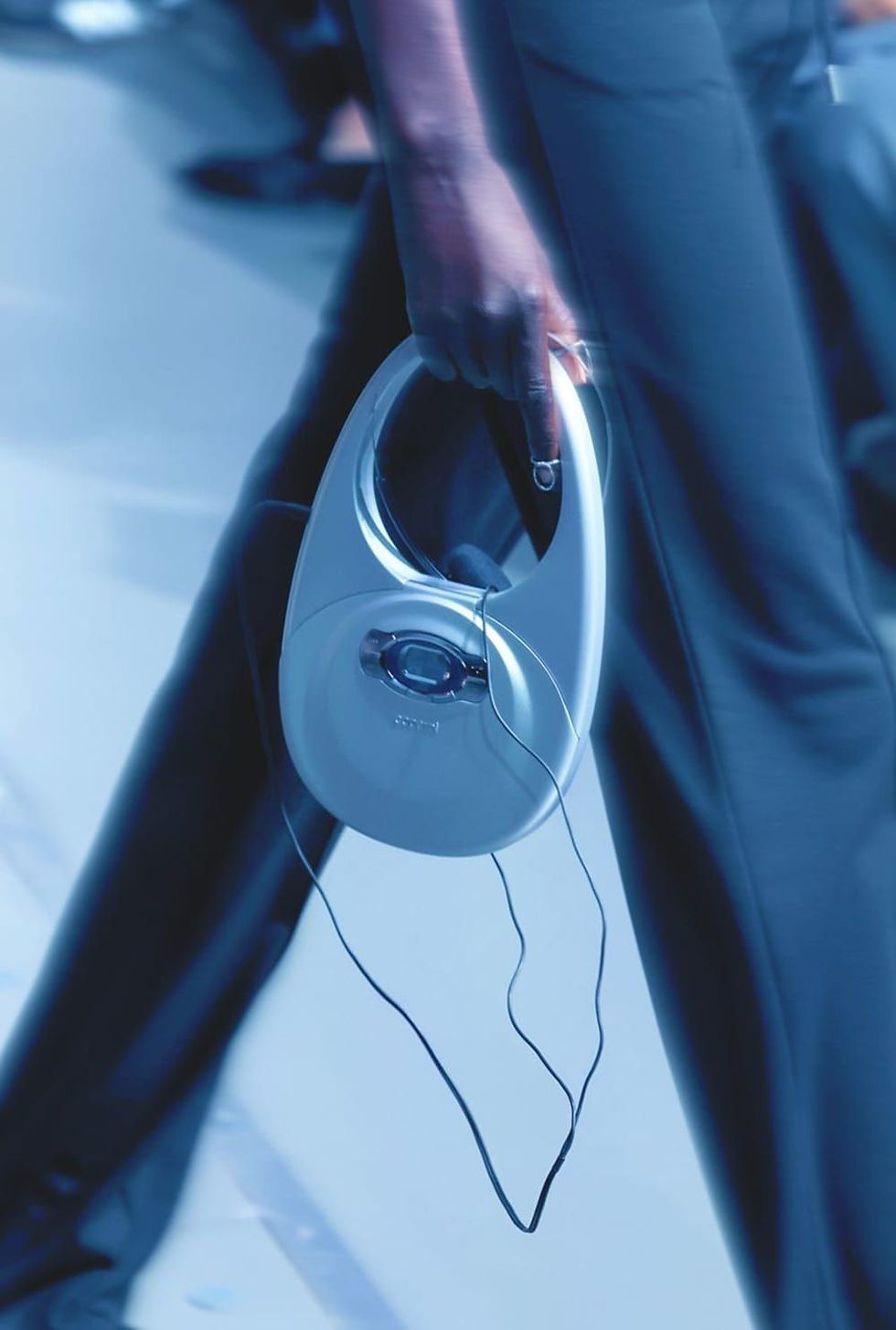
Y2K nostalgia resurfaced — not just as a trend, but as a longing for an internet era that felt less controlled.Imperfection became powerful.
Luxury brands that once relied on immaculate polish began embracing rawness. Editorial campaigns leaned into wrinkles, awkward poses, intimate lighting. Not as accidents — but as signals. Signals of emotional depth, cultural intelligence, and confidence. Imperfection became a way of saying: we don’t need to prove our refinement.
At the same time, post-pandemic health awareness reshaped wardrobes. The line between performance and style blurred. Sportswear and luxury collided in ways that once felt unlikely. Versatility became essential — not just aesthetically, but functionally. Fashion had to move with real lives again.

Storytelling, Spaces & Affinity
The reset didn’t only affect how brands communicated. It changed where and how they showed up.
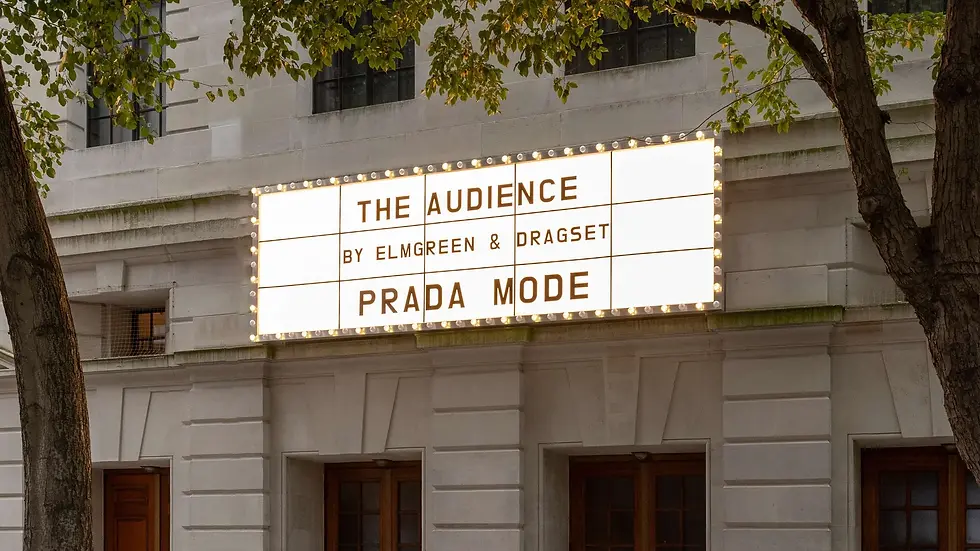
Digital ads lost some of their impact. Instead, brands leaned into storytelling and real-world experiences. Pop-ups, installations, immersive retail spaces — these became ways to rebuild trust and create shared moments. Particularly in beauty, experiential activations allowed audiences to step inside a brand’s world rather than simply observe it on a screen.
Offline storytelling influenced digital strategy too. Influencer culture shifted from aspiration to relatability.
Audiences responded more to creators who felt human than to unattainable perfection. Brands began celebrating real stories and communities again — not just aesthetics.
If the pandemic accelerated digital expansion, the years after it demanded emotional recalibration.
What we’re witnessing isn’t the rejection of digital culture, it’s a refinement. A move toward quality over noise. Meaning over spectacle. Affinity over reach.
And perhaps most importantly, a return to images, and spaces. That feeling of lived in rather than performed.
